- How is this hotel positioned?
- As Asia's inaugural Park Hyatt, the property helped define international luxury hospitality in Japan when it opened as a sky-high urban residence rather than a conventional street-front palace. Three decades on, it remains one of Tokyo's most globally recognized luxury addresses, often discussed alongside the capital's finest contemporary and heritage hotels yet differentiated by its Tange tower setting and enduring cultural profile. The 2025 restoration reframes the hotel for a new generation while preserving the quiet, residential brand of luxury that shaped Park Hyatt worldwide.
- What makes this hotel distinctive?
- Meaningful differentiation comes from occupying the summit of a Kenzo Tange landmark, with a vertical journey through glass atriums before guests reach rooms composed for skyline and Mount Fuji. Few Tokyo hotels pair this architectural drama with an equally deep in-house dining portfolio spanning a restored top-floor grill and jazz bar, seasonal Japanese cuisine, and a new Parisian brasserie. Club on the Park adds scale seldom matched in central Tokyo luxury hotels, making wellness part of the core identity rather than a secondary amenity.
- What is the hotel's setting like?
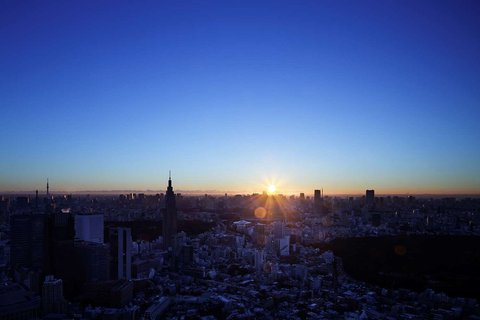
- The hotel rises within Nishi-Shinjuku's dense corporate skyline, Tokyo's primary business and transport crossroads, yet deliberately floats above street intensity. Guest life unfolds on upper floors where the metropolis reads as a luminous grid by day and a scattered field of light at night, with Fuji appearing on clear horizons. That altitude creates psychological distance from Shinjuku's crowds while keeping restaurants, galleries, and rail links within short reach.
- What defines the hotel's design and atmosphere?
- Kenzo Tange's triangular-topped Shinjuku Park Tower supplies the structural drama; John Morford's 1994 interiors established a private-residence mood of dark wood, stone, and signature green, with low beds oriented to the view. Studio Jouin Manku led the 2025 renewal, softening materials and improving room flow while keeping Morford touchstones such as Isamu Noguchi washi lamps and restoring the Tokyo Suite. Public spaces retain their procession through light-filled atriums, including The Peak Lounge's bamboo grove beneath soaring glass.
- What defines the accommodation, dining and wellness experience?
- Rooms emphasize spaciousness and inward calm, with fluid layouts and integrated bathing areas that encourage slow mornings above the city. Dining moves between steakhouse theatre and live jazz on the top floor, precise kaiseki at Kozue, and Girandole's Franco-Japanese brasserie energy. Club on the Park treats wellness as a destination: a long indoor pool beneath a glass vault, thermal circuits, and treatments blending Japanese bodywork with Western spa science aligned to seasonal rhythm.
- Who is this hotel best suited to, and for what occasions?
- Best suited to guests who value atmosphere as much as service: couples and solo travelers seeking a contemplative urban retreat, culture enthusiasts drawn to its storied public rooms, and diners who prefer staying in for landmark meals. Generous suites and entertaining spaces suit milestone celebrations or discreet business hospitality. Active travelers and spa loyalists will appreciate the extensive club, while shoppers and meeting-goers benefit from Shinjuku connectivity without sacrificing quiet.