- How is this hotel positioned?
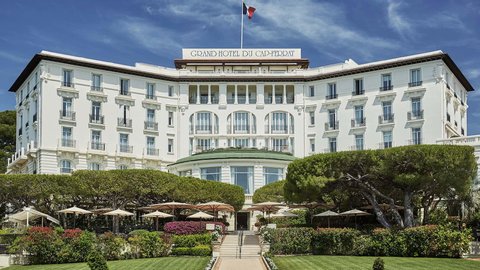
- It reads as the peninsula flagship on Saint-Jean-Cap-Ferrat: a French palace-grade grande dame, now run by Four Seasons, rather than a city hotel or a compact cliff retreat. Within the Riviera's top tier it sits beside names such as Hôtel du Cap-Eden-Roc, but its identity leans toward a broad garden resort anchored by a historic main house. Recent third-party recognition, including MICHELIN Keys and longstanding Forbes five-star standing, reinforces its place among Europe's established seasonal luxury addresses, with strong appeal to international guests who expect palace tradition and consistent global luxury standards.
- What makes this hotel distinctive?
- What sets it apart is scale on a coveted headland: vast manicured grounds leading down to Club Dauphin, the cliffside pool club dating from 1939 with its heated seawater infinity pool, reached by funicular or garden path. Gustave Eiffel's bay-windowed rotunda still defines the heritage core. The split between the palace wing and Les Terrasses du Cap adds private pool terraces in the pines. Standalone staffed villas, a helipad, and deeply rooted Riviera social history give it a resort depth rare on this otherwise residential cape.
- What is the hotel's setting like?
- The hotel occupies the tip of Cap-Ferrat, a wooded, villa-lined promontory between Nice and Monaco, where the Mediterranean feels close and the pace is deliberately private. Guests move from palm-shaded drives through Jean Mus terraced gardens to rocky shoreline viewpoints. The peninsula's yachting harbours, coastal footpaths and aristocratic villas shape a stay that is insular and scenic rather than nightlife driven. That geography makes the property feel like a self-contained coastal estate, while still allowing quick access to the Côte d'Azur's cultural and coastal hubs.
- What defines the hotel's design and atmosphere?
- Architecture and interiors centre on a white belle époque palace refreshed in 2009 under Pierre-Yves Rochon, alongside Luc Svetchine's sea-facing Résidence wing and garden focussed Les Terrasses du Cap. Gustave Eiffel's rotunda remains the landmark gesture. Jean Mus reshaped the grounds with cascading plantings and pools. Interiors favour sun washed neutrals, marble bathrooms and art nods to Riviera modernists. Alberto Pinto's work on Villa Rose-Pierre adds a more residential layer. The overall mood is luminous Riviera discretion: formal where tradition demands it, relaxed in garden and pool spaces.
- What defines the accommodation, dining and wellness experience?
- Stays split between heritage rooms and corner suites framed by Aleppo pines, and lower garden accommodations where terraces or private pools blur indoor and outdoor living; three villas cater to families or friends seeking a house party rhythm with hotel backup. Dining moves from Michelin level Provençal refinement at Le Cap under Yoric Tièche to informal Mediterranean lunches at Club Dauphin and all day terrace meals at La Véranda. Le Spa pairs a hydrotherapy circuit and couple's suite with garden side cabanas, supporting slow coastal days rather than a clinical wellness retreat.
- Who is this hotel best suited to, and for what occasions?
- It suits guests who want a full season Riviera resort on an exclusive cape: honeymooners and anniversaries, extended summer holidays, and milestone celebrations that benefit from gardens, pools and private dining. Pool suite and villa guests, including families with children using the Sea Explorers club, fit well when space and privacy matter. The winter closure and high summer rhythm favour leisure travellers over year round business use. It rewards those who value palace heritage, gastronomy and outdoor living more than urban glamour or nightlife.